
Consuming hot water can help your body replace fluids by providing it with the water it needs. It can also help with digestion and congestion and make you feel calmer. Most people who drink hot water as a holistic health cure for maximum health benefits do it first thing in the morning or shortly before bed.
Table Of Contents
−- Reasons why drinking hot water may be a good idea
- Helps to clear nasal congestion
- Helps with digestion
- It relaxes the central nervous system.
- Assists in the relief of constipation
- Encourage bowel movement
- Helps to keep you hydrated
- Helps with weight loss
- It enhances circulation
- Reduces stress levels
- Aids in the removal of toxins
- Assists in the relief of achalasia
- Relieves menstrual cramps
- Prevents premature aging
- Prevents breakouts
- Hair vitality and health
- Encourage hair growth
- Get rid of dandruff
- Limits and dangers
- The ideal temperature
- To lose weight, when should I drink hot water?
- What happens if we drink hot water in the middle of the night?
Warm the water to between 120 and 140 degrees Fahrenheit. Hot water should not be so hot that it scalds your taste buds. Temperatures of 160°F or above can scald and cause serious burns on your end. Then, with a squeeze of lemon for added vitamin C, you’re well on your road to greater health.

Reasons why drinking hot water may be a good idea
Helps to clear nasal congestion
The temperature of hot water creates steam. Inhaling deeply while holding a cup of hot water will help loosen blocked sinuses and possibly cure a sinus headache. Because your neck and upper body have mucous membranes, drinking hot water can help warm that area and ease a sore throat caused by mucus buildup.
Colds and nasal allergies can produce pressure in the sinuses, which can be relieved by applying heat. Steam can also help clear your sinuses. Mucous may migrate more quickly if you drink hot water. This means that drinking hot water may induce more productive coughing and nose-blowing.

Helps with digestion
Drinking hot water relaxes and stimulates your digestive system. After all, water is the lubricant that keeps your digestive system running smoothly. As a result, digestion organs are better hydrated and can discharge waste as water travels through your stomach and intestines. In addition, hot water can help dissolve and disperse foods your body is having difficulty digesting.
The small intestine absorbs most of the water taken through food and drink when a person does not drink enough water. This can lead to dehydration and make bowel movements more difficult. In addition, constipation can develop as a result of chronic dehydration.
Constipation can make bowel movements uncomfortable and lead to additional issues like hemorrhoids and bloating. Drinking hot water instead of cold or warm water aids in the digestion of food. It supports regular bowel motions, which minimizes the risk of constipation.
It relaxes the central nervous system.
Hot water might help to relax your nervous system and lubricate your joints. As a result, you’ll notice fewer aches and pains and are less worried throughout the day when your nervous system is ready for healthy and controlled reactions. In addition, people with arthritis may find that using hot water has an additional advantage of calming their central nervous system.
Assists in the relief of constipation

The contraction of your intestines is aided by drinking hot water. When this happens, old waste that has been held in your intestines is released from your body. Drinking hot water regularly can help you stay regular. It’s also not a bad idea to drink it once in a while if you’re constipated.
As previously said, hot water aids in the contraction of the bowels. Therefore, you defecate more easily when your bowels contract.
As a result, drinking hot water daily can help you maintain your regularity. Unfortunately, scientific data on the health benefits of drinking hot or warm water is scarce. Therefore, most of these suggestions are based on expert advice. Nonetheless, it’s understandable that hot water has numerous health benefits.
Drinking scalding water (140° F or more) makes no sense because it can burn your tongue, taste buds, and internal organs. Not only will this damage you, but it may also increase your cancer risk. A growing corpus of studies is looking into the link between drinking extremely hot tea and esophagus damage and cancer.
Encourage bowel movement
Finally, hot water can help you have regular, healthy, and pain-free bowel motions. Constipation can become persistent as a result of dehydration. The bowel movement becomes slower when the excrement accumulates inside your colon.
It is always a good idea to drink a glass of hot or warm water first in the morning while your stomach is empty. It decomposes any leftover foodstuffs and makes particle transit through the colon smooth and painless. Now that you know the many advantages of drinking hot water, you should begin doing so.
Helps to keep you hydrated
Hot water is no different from room temperature or chilly water for staying hydrated. A frequent suggestion from health officials is for an adult to drink eight 8-ounce glasses of water per day or about 2 liters or a half gallon.
Many people will find that difficult to achieve. However, you’ll be much closer to being fully hydrated if you start your day with a dish of hot water and conclude it with another. Water is required for almost all of your body’s functions. Thus, its importance cannot be emphasized.
When combined with coffee or tea, hot water may provide extra health advantages. Although coffee and caffeinated drinks can dehydrate the body at excessive levels, they have certain health benefits when consumed in moderation. For example, in another study, coffee drinking was related to a longer life.
Other studies have linked moderate coffee drinking to a lower risk of Parkinson’s disease, certain malignancies, type 2 diabetes, certain liver disease, and cardiac problems. Tea may help prevent strokes, heart attacks, type 2 diabetes, and liver disease. In addition, several studies have been linked to a lower risk of cancer, although the results are mixed.
Helps with weight loss
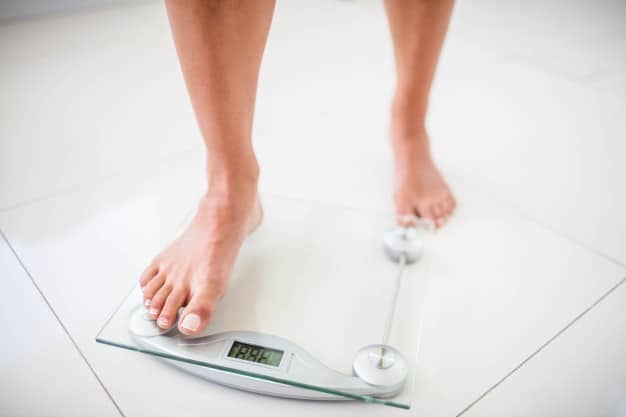
The temperature regulating system in your body is activated when you drink hot water. As a result, your body lowers your internal temperature and activates your metabolism as it compensates for the warm temperature of the water.
Hot water also helps your intestines contract, allowing you to eliminate the dreaded “water weight” by clearing away waste particles that are bloating your body.
The assumption that drinking more water can help a person lose weight has long been confirmed by research. This could be because drinking water makes you feel fuller. Water also aids in absorbing nutrients and removing waste from the body.
Switching from drinking cold to hot water could help you lose weight, according to a 2003 study. According to researchers, studying 500 mL of water before a meal improved metabolism by 30%. The increase in metabolism was attributed to raising the water temperature to 98.6 degrees. Following water drinking, the metabolic step-up lasted 30-40 minutes.
It enhances circulation
A warm bath encourages your circulatory organs, such as your arteries and veins, to expand and carry blood more efficiently throughout your body. A similar effect can be achieved by drinking hot water.
Good blood flow affects everything from your blood pressure to your cardiovascular disease risk. The warmth from sipping hot water or showering at night can also help you relax and prepare for a good night’s sleep.
Hot water is a vasodilator, dilating blood vessels and improving circulation. This can aid in muscular relaxation and pain relief.
Although no studies have directly connected hot water to long-term benefits in circulation, even minor increases can help muscles and organs receive better blood flow.
Hot water helps to enhance circulation and blood flow, especially in damaged muscles. However, no direct relationship between hot water use and pain relief has been established.
On the other hand, people frequently use heating pads and hot water bottles to relieve discomfort. While drinking hot water may provide comfort from inside pain, it’s crucial to remember that heat might also worsen edema.
Reduces stress levels

Drinking hot water might help your central nervous system function better, so you might feel less anxious if you do. According to one study, adding some warm milk to the mix can make you feel even more relaxed than sipping hot water alone.
People who are stressed or anxious may benefit from a relaxing cup of hot water. An older study discovered that drinking hot liquids like tea and coffee can help to alleviate stress and anxiety. According to the study, some of the effects are attributable to coffee, but the warmth also played a role in the subjects’ enhanced mood.
Aids in the removal of toxins
Drinking hot water raises your internal body temperature for a short time. Your body’s endocrine system responds and you begin to sweat when you drink hot water or take a warm bath.
Sweating is an important aspect of getting rid of toxins and irritants you’re exposed to in your surroundings, even if it’s unpleasant.
Hot water, according to natural health proponents, may aid in the detoxification of the body. Sweating can occur when water is hot enough to raise a person’s body temperature. Sweating helps to remove toxins and clean the pores.
Assists in the relief of achalasia
Achalasia is a disorder in which your esophagus has difficulty transferring food from your mouth to your stomach. People with achalasia and eosinophilic esophagitis have difficulty swallowing and may experience dysphagia, wherein food becomes trapped in the esophagus instead of traveling to the stomach.
According to researchers, warm water can help with achalasia by allowing the system to digest more comfortably. For patients with this diagnosis, drinking warm water with greasy meals or a meat-heavy dinner may be extremely beneficial.
In a study published in the Journal of Neurogastroenterology and Motility, researchers discovered that drinking hot water rather than cold water can aid persons with achalasia.
“Cold water could increase LES resting pressure, prolong the contraction duration of the esophageal body, and exacerbate achalasia symptoms.
Hot water could reduce LES resting pressure, assist LES relaxation, shorten the contraction duration of the esophageal body, and relieve symptoms. Thus achalasia patients are recommended to eat hot and warm food and avoid cold food,” says the authors.
Relieves menstrual cramps
Menstrual cramps can be relieved by bathing in hot water. The heat of the water relaxes and soothes the abdominal muscles, which can aid in the relief of cramps and spasms.
Prevents premature aging

Toxins cause you to age faster, which is why you should get rid of them. Drinking hot water aids in the regeneration of skin cells that promote skin suppleness and are harmed by free radicals. Your damaged skin becomes smoother as a result.
Prevents breakouts
The advantages to your skin keep on coming. Hot water washes your body thoroughly and gets to the base of acne-related diseases.
Hair vitality and health
Drinking hot water can also help you achieve silky, lustrous hair. This is because it energizes and activates the nerve terminals in your hair roots. This is good for restoring your hair’s natural vitality and maintaining its health.
Encourage hair growth
Activating your hair’s roots has an additional advantage: it promotes growth! The hot water encourages the roots to work in a regular pattern, resulting in faster hair growth.
Get rid of dandruff
Hot water hydrates your scalp and aids in the prevention of dry scalp and dandruff.
Limits and dangers
While drinking hot water has many health benefits, it is not a cure-all. Excessively hot drinking water can burn your taste buds, scald your tongue, and damage the tissue in your esophagus. When drinking hot water, be cautious and monitor the temperature. You shouldn’t drink hot water if you’re working in a hot environment or exercising.
According to studies, drinking hot water makes you thirstier. So if your environment or activity puts you in danger of dehydration, offer yourself the best chance of staying hydrated by drinking hot water.
The main danger of drinking hot water is getting burned. Even if the water is pleasant to the touch on the tip of a finger, it might burn the tongue or throat. Therefore, a person should avoid drinking water near boiling and always take a little sip before swallowing a large amount.
Drinking hot water from a closed, insulated cup reduces the chance of spilling and being burned. Drinking caffeinated coffee or tea can make you feel jittery or over-caffeinated. This can be avoided by limiting the number of cups of coffee or tea consumed or by substituting plain hot water for caffeinated beverages.
The ideal temperature
Coffee and tea, for example, are frequently served at near-boiling temperatures. A person does not have to risk a burn to reap hot water’s benefits. Drinking water at or slightly over body temperature is a good option for people who loathe hot water.
According to a 2008 study, the ideal drinking temperature for coffee is 136°F (57.8°C). This temperature minimized the risk of burns while providing a hot beverage’s satisfying feeling.
To lose weight, when should I drink hot water?
While you may have been told repeatedly that drinking hot or warm water can help you lose weight quickly, you may wonder how this simple beverage works. So here are the solutions you’ve been looking for!
- The metabolism is boosted by hot water. It’s the best approach to jump-start your body’s slow processes.
- Fat is broken down by hot water. The water’s warmth helps to mobilize fat molecules, making it easier to burn them.
- Hot water suppresses hunger. Drinking a cup of hot water 30 minutes before a meal is one approach to using hot water for weight loss.
- Hot water suppresses hunger by making you feel full. So, the next time you need something and are fighting the urge to binge, grab a cup of hot water and hang on for 20 minutes.
- Lastly, hot water helps to keep the body warm. Of course, your digestive system will suffer if the water is too hot (or too cold). Warm water (up to 50 degrees Celsius) is beneficial in keeping body systems running smoothly. This aids in healthy meal digestion, nutrition absorption, and waste elimination.
What happens if we drink hot water in the middle of the night?
Drinking water, particularly hot or warm water, is a natural technique to aid detoxification and digestion. Warm water improves blood circulation, aids in the breakdown of waste, and stimulates perspiration production. Sweating will cause you to lose some fluid during the night, but it will also remove any extra salts or toxins from your body and clean your skin cells.
Warm water before bed will keep you hydrated throughout the night and may aid the body’s detoxification process. It may also aid in the relief of stomach pain or cramping.
Consider adding lemon to your water before bed if plain water is too bland or if you’re trying to get rid of a cold. This can give the water a unique flavor, and lemon also includes vitamin C, which can help strengthen your immune system while it fights infection.

Jay
Jay is a health and wellness enthusiast with expertise in water quality and nutrition. As a knowledgeable advocate for holistic well-being, Jay successfully manages Type 2 Diabetes through informed lifestyle choices. Committed to sharing reliable and authoritative insights, Jay combines firsthand experience with a passion for enhancing health."
